Training Guides · 9 min read
Choosing the Best Pilates Instructor Courses in Brisbane for 2024
Thinking about a career change or leveling up your fitness skills? Our guide to pilates instructor courses in Brisbane covers everything from Matwork to Reformer certification.
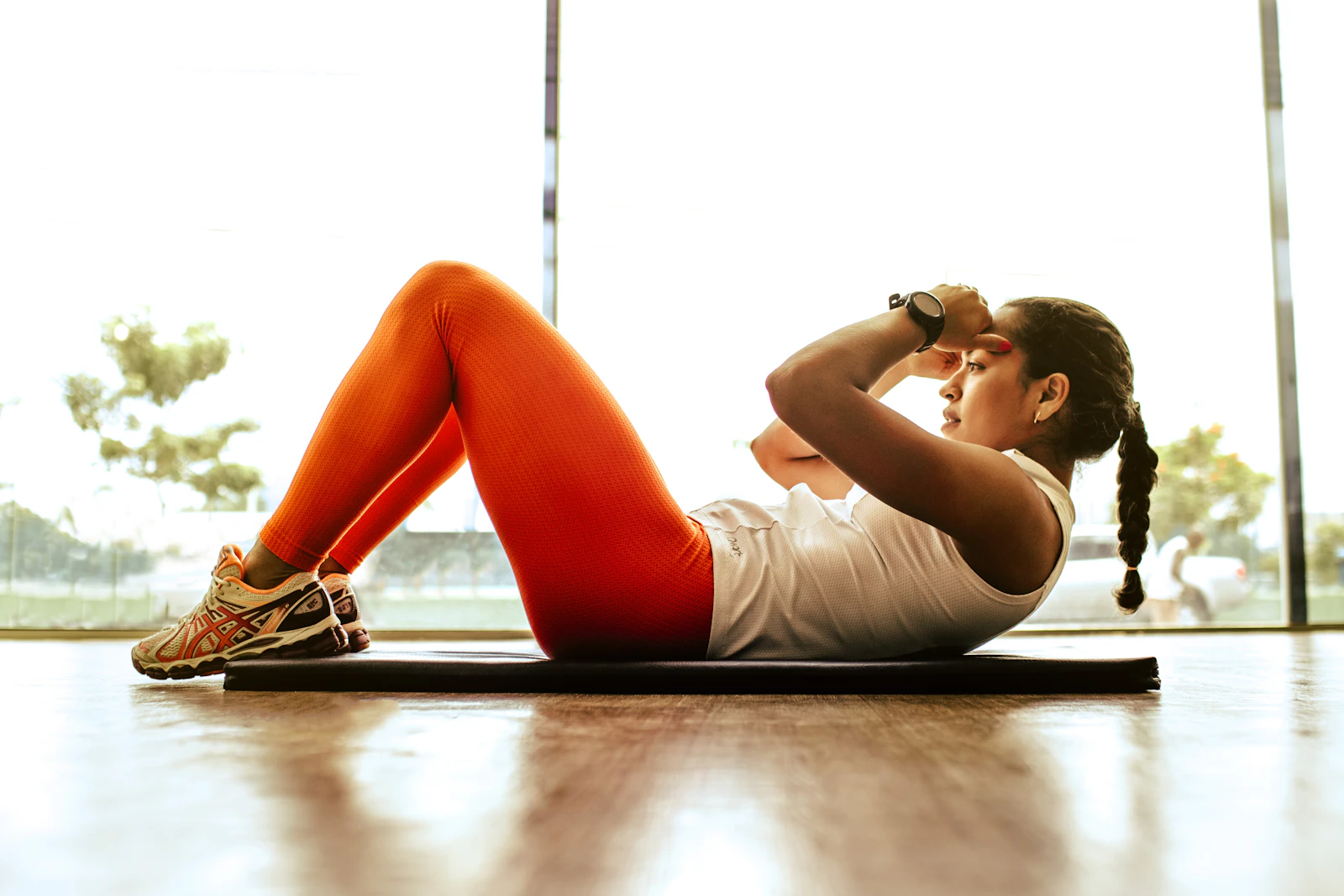
The fitness landscape in Brisbane is shifting. While high-intensity interval training once ruled the riverside tracks of New Farm, there has been a significant surge toward mindful, functional movement. If you have spent any time in a studio in West End or Teneriffe lately, you will know that Pilates is no longer just a trend—it is a cornerstone of the Australian health industry. Consequently, the demand for qualified teachers is at an all-time high, leading many to search for the right pilates instructor courses to kickstart their new career.
However, entering the world of Pilates instruction isn't as simple as just loving the workout. With a variety of training providers, accreditation levels, and specialized equipment to consider, choosing the right path can feel overwhelming. In this guide, we will break down the essential components of Pilates certification, what to look for in a Brisbane-based course, and how you can transition from student to a professional Pilates trainer in Brisbane.
Understanding the Different Types of Pilates Certification
Before you enrol in the first course you find on Google, it is vital to understand that Pilates training is generally split into two main streams: Matwork and Reformer. Depending on your career goals, you might choose one or both.
Mat Pilates Courses
Matwork is the foundation of the entire Pilates method. These courses focus on using body weight and small props (like magic circles and resistance bands) to build core strength and flexibility. Mat certification is often the most affordable entry point and allows you to teach in community halls, parks in Bulimba, or as a mobile trainer.
Reformer Pilates Courses
The Reformer is the most popular piece of Pilates apparatus. As boutique Reformer studios pop up in every corner of Toowong and beyond, the demand for Reformer-certified instructors has skyrocketed. These courses teach you how to navigate the springs, pulleys, and sliding carriage to provide a high-resistance workout.
Clinical vs. Fitness Pilates
When browsing pilates instructor courses, you will also notice a distinction between 'Fitness' and 'Clinical' pathways. Fitness Pilates focuses on group classes for generally healthy populations. Clinical Pilates, often taught by physiotherapists or those with advanced diplomas, focuses on injury rehabilitation and specific pathologies.
What to Look for in a Quality Pilates Course
Not all certifications are created equal. To ensure you are employable across Brisbane’s top studios, look for the following criteria:
- Government Accreditation: Look for courses that align with the Australian Qualifications Framework (AQF), such as a Certificate IV or Diploma in Professional Pilates Instruction.
- Practical Hours: Theory is important, but Pilates is a tactile discipline. Ensure your course requires significant face-to-face hours, observation, and student teaching.
- Reputation: Research whether local studios in areas like New Farm and West End recognise the provider. Some studios prefer specific lineages (such as Polestar, APPI, or STOTT).
- Post-Course Support: Does the provider offer mentorship or help with job placements?
Comparison of Popular Pilates Training Pathways
To help you decide, here is a quick breakdown of the typical structures found in Australian Pilates training:
| Course Type | Typical Duration | Focus Area | Best For |
|---|---|---|---|
| Matwork Level 1 | 2-4 Months | Core, bodyweight, basic anatomy | Foundational teaching, mobile PTs |
| Reformer Certification | 3-6 Months | Apparatus safety, flow, resistance | Studio instructors, group fitness |
| Comprehensive Diploma | 12-18 Months | Mat, Reformer, Cadillac, Wunda Chair | Career professionals, studio owners |
The Financial Investment: Is It Worth It?
Investing in pilates instructor courses can range from $2,000 for basic Matwork to over $10,000 for a comprehensive international diploma. While the upfront cost is significant, the earning potential for a skilled strength and mobility trainer is strong. In Brisbane, a freelance Pilates instructor can earn anywhere from $40 to $100 per hour depending on their experience and whether they offer private one-on-one sessions.
Many trainers choose to diversify their skills. For example, combining a Pilates certification with a boxing qualification or general personal training certificate makes you highly versatile in a competitive market like Brisbane.
Building Your Career in Brisbane
Once you have your certificate in hand, the real work begins. The Brisbane fitness community is tight-knit. Start by attending classes at studios in Teneriffe or Bulimba to network with current owners. Many instructors begin by 'subbing' (filling in for other teachers) before landing a permanent block of classes.
You should also consider your online presence. Many successful local trainers list themselves on marketplaces to find private clients. If you are looking to specialize in helping people drop body fat through low-impact movement, positioning yourself as a weight loss trainer with a Pilates focus can be a unique selling point.
Final Tips for Aspiring Instructors
- Start as a Student: You cannot teach what you haven't felt. Have at least 6-12 months of consistent practice under your belt before enrolling.
- Learn Anatomy: A good course will dive deep into muscles and bones. If your anatomy is weak, start studying now.
- Stay Insured: Once qualified, always maintain professional indemnity and public liability insurance.
Becoming a Pilates instructor is a rewarding journey that allows you to change lives through movement. Whether you want to work in a sun-drenched studio in West End or run your own mobile business across the Brisbane suburbs, the right education is your first step. For more advice on growing your fitness business or finding the right mentor, check out our fitness industry blog.
Ready to take the leap and start your coaching journey? Once you've completed your training, VAKOA can help you connect with clients looking for expert guidance. Browse our current list of professional fitness trainers to see how the best in the business present their services and start planning your own professional profile today.
FAQs
How long does it take to become a Pilates instructor in Australia?+
It typically takes 3 to 6 months for basic Mat or Reformer certifications, while a comprehensive Diploma can take 12 to 18 months of study and practical hours.
Do I need a Certificate III or IV in Fitness to teach Pilates?+
Not strictly. While a Cert III/IV is great for general personal training, you can teach Pilates with a specific Pilates certification. However, having both makes you more employable in big-box gyms.
Can I complete pilates instructor courses online?+
Many providers offer the theory component online, but reputable courses always require a significant number of in-person practical hours to ensure you can safely spot and correct clients.
Ready to find your coach?
Compare vetted Brisbane personal trainers with transparent AUD pricing.
Browse trainersFor coaches
Are you a Brisbane coach? Write for VAKOA.
Publish your training expertise on VAKOA, get a byline link back to your profile, and reach thousands of Brisbane clients actively searching for a coach. Top contributors earn featured placement and direct booking leads.
